News
Published in 2025
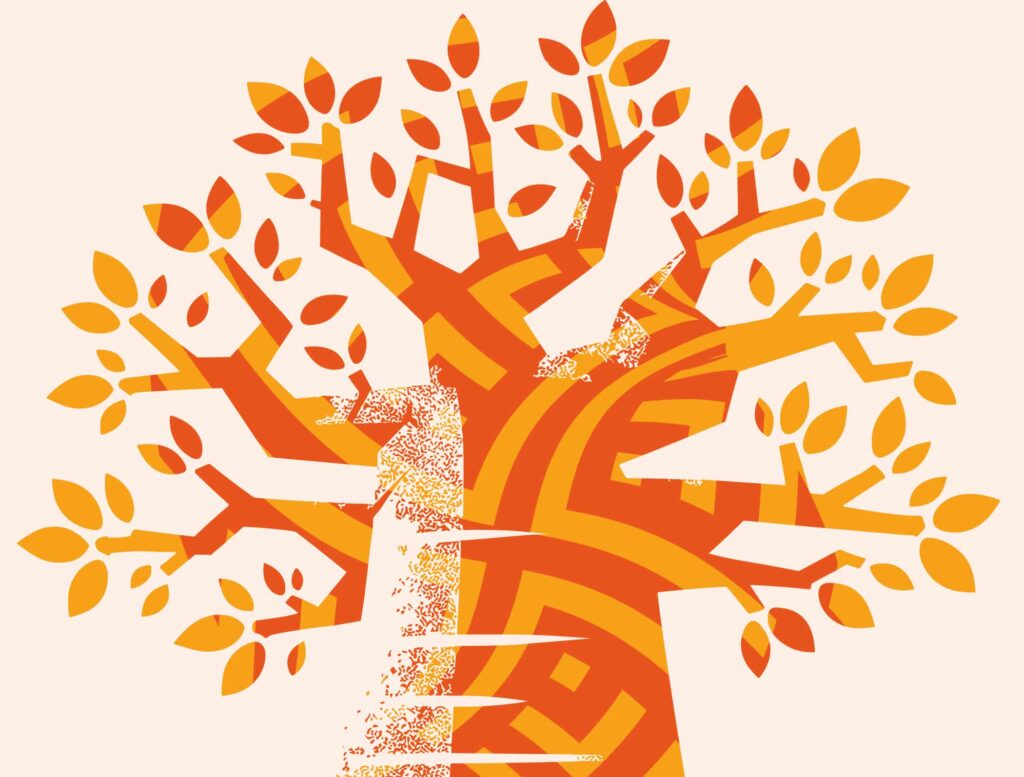
The Baobab Sessions are a series of collective learning spaces organised by ISDAO, offering activists and community organisers the opportunity to reflect together, exchange knowledge, and share their experiences. The sessions are deliberately designed as interactive spaces, inviting participants to engage actively in dialogue, discussion, and collective learning.
Why Baobab?
We drew inspiration from the communal sharing of knowledge that typically happens in the shade of our trees. The baobab, native to many countries in West Africa, symbolises for us the ritual of community gathering and the value of learning from our diverse individual experiences.
We therefore hope to encourage all participants in these sessions to engage actively, as if we were seated together in the cool shade of the baobab.
A Cross-Regional Dialogue for West and East Africa
In West and East Africa, LGBTQI movements are operating in increasingly hostile environments, marked by the criminalisation of communities and identity-based organisations, the shrinking of civic space, heightened surveillance, and targeted violence. These conditions expose activists and communities to multiple risks: outing, blackmail, arrests, state and digital surveillance, economic exclusion, and psychosocial burnout, all of which directly affect their ability to organise and sustain their activism over time.
Building on previous sub-regional sessions organized by ISDAO and UHAI-EASHRI, this session will serve as a cross-regional learning space to deepen the conversation on safety and sustained activism, grounded in the specific realities of groups and organisations in the sub-regions. Together, participants will explore concrete responses for continuing to organize in high-risk contexts.
Who should attend
What to expect
Date: Thursday, April 23, 2026
Time: 12:00 p.m. – 2:00 p.m. GMT (Accra, Dakar) / 3:00 p.m. – 5:00 p.m. EAT (Nairobi)
Platform: Zoom
Simultaneous interpretation is available in: English, French, Swahili, and Amharic